
Choosing footwear for daily use involves more than finding a design that looks good. Shoes need to feel comfortable, fit properly, and suit the activities planned for the day. The right pair can make walking, travelling, shopping, and other everyday tasks more pleasant. Well-designed women’s casual footwear offers a practical balance of comfort and style, making it easier to build outfits that work across different settings.
A good pair should also support natural foot movement without creating pressure or discomfort. From material and fit to sole design and maintenance, several details can affect how footwear feels throughout the day.
Why Everyday Footwear Needs More Than a Good Appearance
Shoes are worn for long periods, so comfort should be considered alongside appearance. A stylish pair may attract attention, but an unsuitable fit or poorly designed sole can make walking uncomfortable. Footwear should support the shape of the foot and provide enough room for natural movement.
Daily footwear also needs to suit different activities. Walking on hard floors, standing for extended periods, and moving between indoor and outdoor spaces can place different demands on the feet. A practical design should offer a comfortable fit without feeling restrictive.
See also: Mechanical Diesel Tuning: What Owners Should Know Before Adjusting Engine Performance
The Role of Fit in Daily Comfort
Proper fit is one of the first things to check when buying casual shoes. Footwear that is too tight can cause rubbing, pressure, and discomfort around the toes. Shoes that are too loose may allow the foot to slide, affecting stability while walking.
Check the space around the toes and make sure the heel feels secure without rubbing against the back of the shoe. Both feet should be measured if sizing is uncertain, as foot dimensions can vary slightly. Trying shoes on later in the day can also help account for normal changes in foot size.
Why Sole Construction Matters
The sole affects how shoes feel against different surfaces. A flexible sole can allow natural foot movement, while a supportive base can help provide a stable feeling during everyday walking. The right balance depends on the shoe design and intended use.
Look for a sole that bends naturally near the forefoot without folding too easily. The bottom should also provide suitable grip for the surfaces where the shoes will usually be worn. A sole that feels comfortable during a short fitting should still be assessed for support and stability.
Materials That Make a Difference to Wearability
The material used in footwear affects its feel, weight, flexibility, and care requirements. Some materials offer a soft finish, while others may provide more structure. The best choice depends on personal comfort preferences, climate, and how frequently the shoes will be used.
Breathability deserves attention, particularly for footwear worn for several hours. Materials that allow better airflow can help reduce the feeling of heat and moisture inside the shoe. A comfortable inner lining can also make a difference by reducing friction against the skin.
Check the Upper and Inner Lining
The upper part of a shoe should hold its shape without pressing against the foot. Soft materials may feel comfortable, but they should still provide enough structure to keep the foot properly positioned. Check for rough seams, stiff edges, or areas that could rub during movement.
The inner lining should feel smooth against the skin. If the shoe includes a removable insole, check whether it can be replaced with another suitable option. This can be useful for people who prefer a different level of cushioning or need extra room inside the shoe.
Consider Weight and Flexibility
Heavy footwear can feel tiring during long periods of walking. A lighter design may feel easier to wear throughout the day, although weight should not be the only factor in the decision. Shoes still need enough structure to support comfortable movement.
Flexibility also matters. Footwear should allow the foot to move naturally rather than forcing it into an awkward position. Avoid designs that feel excessively stiff or create pressure when the foot bends.
Matching Casual Shoes With Everyday Outfits
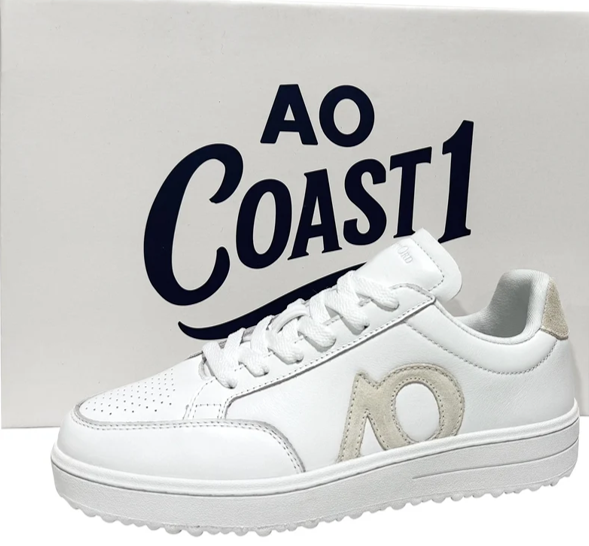
Casual footwear can work with a wide range of clothing, from jeans and trousers to skirts and relaxed dresses. A clean, simple design is often easier to coordinate with different outfits. Neutral colours can offer more styling flexibility, while distinctive shades can add interest to an otherwise simple look.
The shape of the shoe also affects the overall appearance. A low-profile design may suit relaxed clothing, while a more structured silhouette can create a neater finish. Consider the type of outfits already in the wardrobe before choosing a new pair.
Comfort should remain part of the styling decision. Shoes that look suitable for an outfit but feel uncomfortable may not get regular use. A versatile pair should fit naturally into daily routines as well as complement personal style.
When Casual Shoes Need Athletic Features
Some everyday activities involve more walking and movement than others. In these situations, footwear with suitable cushioning, flexibility, and grip can be useful. However, casual shoes and sports footwear are not always designed for the same purpose.
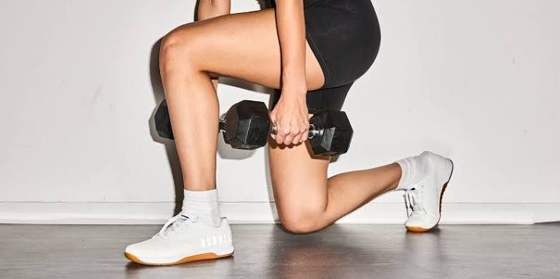
People who walk frequently may prefer women’s athletic shoes with features that support movement and provide a comfortable feel. The right design depends on the activity, foot shape, and level of support required.
Casual Wear and Exercise Footwear Are Different
Casual shoes are generally designed for everyday outfits and routine activities. Athletic footwear is usually developed with particular movements in mind, such as walking, running, training, or court sports. These activities can place different demands on the feet.
A casual design may be suitable for light daily movement, but it should not automatically be treated as specialist sports footwear. Anyone choosing shoes for regular exercise should check that the design matches the activity. Running, for instance, requires different considerations from general walking.
Look for Practical Support Features
Cushioning can help make footwear feel more comfortable, but more cushioning does not always mean better support. The shoe should feel stable and suit the wearer’s natural walking pattern. A comfortable insole, secure heel fit, and suitable grip can all contribute to a better experience.
Check the product information for details about the intended use and construction. Avoid choosing footwear based only on appearance or broad claims about performance. A suitable design should meet the actual needs of the activity.
Simple Care Habits That Help Footwear Last
Regular care can help maintain the appearance and condition of casual shoes. Dirt and dust can collect on the upper and sole, while moisture may affect certain materials. Cleaning methods should always match the manufacturer’s care instructions.
Allow shoes to dry naturally after exposure to moisture. Direct heat can affect some materials and may cause unwanted changes in shape. Use a soft brush or suitable cloth for routine cleaning, and avoid harsh cleaning products unless the care guidance confirms they are safe.
Storing footwear properly also helps. Keep shoes in a dry, ventilated place and avoid placing heavy objects on top of them. If they become damp inside, allow enough time for them to dry before wearing them again.
For help with your next purchase, visit Receive 15% Off your First Purchase and explore the available footwear collection.
Make Comfort Part of Every Purchase
A useful pair of casual shoes should suit everyday needs, feel comfortable from the first fitting, and work with the clothing you already wear. Checking the fit, materials, sole, and intended use can help narrow down the choices.
Avoid rushing the decision based only on colour or design. Give attention to how the shoe feels while standing and walking, and check the product details before ordering online. A thoughtful choice can make everyday footwear more practical and enjoyable to wear.
Frequently Asked Questions
1. What should women look for in casual footwear?
Look for a comfortable fit, enough toe room, a secure heel, and a sole that provides suitable flexibility and grip. Material quality and breathability are also worth considering for regular use.
2. Can casual shoes be worn for long walks?
Some casual shoes may be suitable for longer walks if they provide enough cushioning, stability, and support. However, footwear designed specifically for walking may be a better choice for frequent or extended walking.
3. How should women’s casual shoes fit?
Shoes should hold the heel securely without rubbing and leave enough space for the toes to move naturally. They should not create pressure around the sides or front of the foot.
4. How often should casual footwear be cleaned?
Clean shoes whenever dirt or marks build up, and follow the care instructions for their material. Regular light cleaning can help prevent dirt from becoming difficult to remove.
5. Where can women explore comfortable everyday footwear?
Women can explore different footwear styles and product options at AndersonOrd. Checking the available product details, sizing information, and design features can help with choosing a suitable pair.