
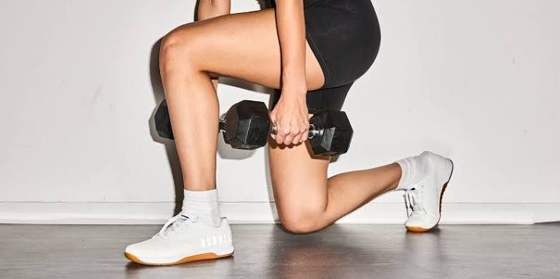

A strong squat depends on more than the weight loaded onto the bar. Foot placement, ankle mobility, torso angle, and balance all influence how a lifter moves through each repetition. Even small changes in foot stability can affect how comfortable and controlled the movement feels. For athletes who pay close attention to technique, footwear deserves the same consideration as stance width or bar position.
Squat shoes are designed to provide a stable base during strength training, with many models featuring a raised heel and a firm sole. These features can help lifters maintain a suitable position at the bottom of a squat, depending on their mobility, body proportions, and lifting style. Choosing the right pair involves understanding how the shoe interacts with the movement rather than assuming that a particular design will improve every squat.
Position Starts With the Feet
During a squat, the feet provide the foundation for the movement. The lifter must maintain contact with the floor while the hips and knees bend, the torso adjusts, and the bar remains under control. Footwear that compresses excessively under load may make this process feel less predictable.
A firm sole helps reduce unwanted compression during heavy repetitions. This creates a more consistent surface for pushing through the feet, particularly during barbell back squats and front squats. A secure upper also helps keep the foot positioned inside the shoe as the lifter moves through the range of motion.
The fit around the forefoot matters just as much. The toes need enough room to spread naturally, while the heel should remain securely in place. Shoes that pinch the toes or allow the foot to slide can make it harder to establish a comfortable, repeatable stance.
Good footwear does not correct poor technique on its own. It provides a dependable base that allows the lifter to focus on movement quality, bracing, and control.
See also: Are Dental Implants the Right Choice for Replacing Missing Teeth?
How a Raised Heel Changes the Squat
Many weightlifting shoes feature a raised, rigid heel. This design changes the starting angle of the foot and can make it easier for some lifters to move the knees forward while keeping the heels planted.
The difference can be especially noticeable during deep squats. Lifters with limited ankle dorsiflexion may find that an elevated heel helps them reach greater depth without leaning the torso as far forward. A more upright torso can be useful during front squats and certain Olympic weightlifting movements.
However, the effect varies between individuals. Limb proportions, ankle mobility, hip structure, stance width, and squat technique all influence the position a person can achieve. A raised heel is not automatically better for every athlete.
Some lifters prefer a flat, firm shoe because it suits their movement pattern and feels natural during heavy back squats or deadlifts. Others benefit from a moderate or higher heel that supports their preferred squat position.
The best option is the one that allows the lifter to maintain balance, control, and a comfortable range of motion without forcing the body into an unsuitable position.
Stability Matters More Than Soft Cushioning
Running shoes often use soft foam to absorb impact during repeated strides. That cushioning can feel comfortable during a run, but it may compress under a heavy barbell and create a less stable feeling during squats.
A purpose-built lifting shoe usually has a firmer midsole or heel structure. This limits compression and gives the lifter a more consistent platform from which to push against the floor.
Stability becomes particularly noticeable during challenging sets. As the load increases, the lifter needs to maintain foot pressure and control the movement through the descent and ascent. A shoe that feels secure can help the athlete concentrate on the lift rather than on shifting footwear.
The outsole should also provide reliable traction on the gym floor. Excessive slipping can interfere with foot positioning, while a secure grip supports controlled movement. The sole should feel stable without preventing the natural adjustments required by the lifter’s stance.
Choosing Squat Shoes for Your Lifting Style
Different athletes have different requirements, so choosing footwear should begin with an honest assessment of training habits.
Powerlifters may prioritise a stable platform and a heel height that suits their competition squat technique. Some prefer a raised heel, while others favour a flat sole. The choice should support their established movement pattern and comply with any relevant competition rules.
Olympic weightlifters often use raised-heel shoes for movements such as cleans and snatches, where ankle mobility and receiving positions matter. The same shoes may also work well for front squats and other strength exercises.
General gym members may want a pair suitable for regular squat sessions without investing in specialised equipment immediately. A stable training shoe with a firm sole can be a practical starting point, especially for lighter or moderate lifting.
Beginners should focus first on fit, comfort, and learning proper technique. Dedicated footwear can be useful, but it cannot replace coaching, appropriate loading, or consistent practice.
Before purchasing squat shoes, try different heel heights if possible. Perform a few bodyweight squats and controlled repetitions with a light load. Pay attention to balance, depth, knee movement, and whether the shoe makes the position feel more natural.
The Role of Foot Width and Shoe Fit
A shoe may have the right heel height and a firm sole yet still feel unsuitable because of its shape. Foot width varies considerably, and a narrow design can create pressure around the toes or the sides of the forefoot.
Look for a fit that holds the heel securely without squeezing the front of the foot. The lacing system or straps should help keep the foot in place without creating uncomfortable pressure across the top.
A wide base can also contribute to a planted feeling during a squat. However, the shoe should match the lifter’s actual foot shape rather than simply being selected for its external width.
Try the shoes with the socks normally worn during training. Walk around, squat to a comfortable depth, and check for heel movement or rubbing. A little time spent assessing fit can prevent discomfort during longer sessions.
Common Mistakes That Can Affect Performance
One common mistake is selecting shoes based only on the heel height. A raised heel may help some lifters achieve a preferred position, but an unsuitable height can change the movement in ways that feel uncomfortable. Fit, sole firmness, and individual mobility deserve equal attention.
Another mistake is wearing soft running shoes for every strength exercise. These shoes may be appropriate for conditioning sessions, but their cushioning can feel unstable under heavy loads. A firm training shoe or dedicated lifting shoe is generally more suitable for demanding barbell work.
Lifters should also avoid changing footwear immediately before an important competition without practising in it. A different heel height or sole design can alter familiar movement patterns. New shoes should be tested during ordinary training sessions so the athlete has time to adjust.
Finally, footwear should not be used to ignore persistent pain or mobility limitations. If squatting causes pain, reducing the load and seeking guidance from a qualified coach or healthcare professional may be appropriate.
Let Technique Guide the Final Choice
The right pair of squat shoes should support the way a lifter moves rather than dictate an unfamiliar position. A raised heel may help improve access to squat depth for some athletes, while a flat, firm sole may better suit others. Neither design guarantees better results without sound technique and suitable programming.
Pay attention to how the feet remain planted, how the knees and hips move, and whether balance stays consistent throughout each repetition. Compare footwear under light loads before relying on it for heavy sets.
For lifters who care about position as much as power, the most useful shoe is one that supports repeatable movement and feels secure under load. That dependable foundation allows greater attention to the work itself: maintaining control, building strength, and refining each repetition over time.
