ByJohn A
Eco-Friendly Produce Bags: A Practical Guide to Reusable Shopping
Grocery shopping often involves more packaging than people realize. Alongside cartons, jars, and food containers, thin plastic bags are commonly used to carry loose fruits and vegetables. These bags may seem insignificant individually, but repeated use can create unnecessary waste. Switching to reusable alternatives is a simple way to make everyday shopping habits more mindful.
Eco-friendly produce bags offer a practical option for carrying fresh food without relying on disposable plastic bags each time you visit the grocery store or farmers market. Available in different materials, sizes, and designs, they can make shopping more convenient while helping reduce the number of single-use bags entering the waste stream.
What Are Eco-Friendly Produce Bags?
Eco-friendly produce bags are reusable or lower-impact alternatives to conventional disposable bags used for fruits, vegetables, and other grocery items. They are designed to carry loose produce such as apples, oranges, potatoes, tomatoes, leafy greens, and carrots.
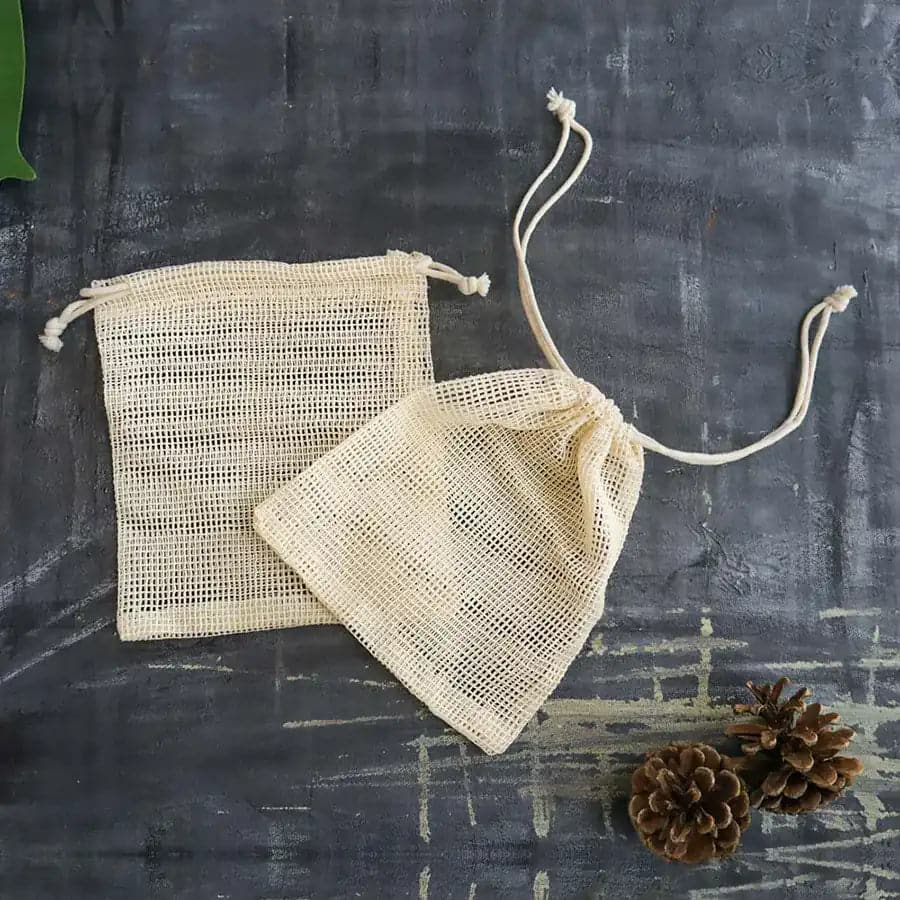
Common options include cotton bags, organic cotton mesh bags, and lightweight reusable fabric pouches. Mesh designs allow shoppers to see the contents easily, while solid fabric bags may be useful for smaller items or produce that needs a little more coverage.
The most suitable choice depends on what you buy, how often you shop, and how you prefer to store your groceries after returning home.
Why Choose Reusable Produce Bags?
One of the main reasons to switch is the opportunity to reduce dependence on disposable packaging. A reusable bag can accompany you on many shopping trips, provided it is cleaned and maintained properly.
Here are several practical benefits.
1. Less Reliance on Single-Use Plastic
Disposable produce bags are often used briefly before being thrown away. Reusable bags provide an alternative for shoppers who want to cut down on this routine waste.
The environmental benefit depends on factors such as the bag’s material, how it is manufactured, and how many times it is reused. Using a reusable bag consistently is generally more meaningful than purchasing one and rarely taking it along.
2. Convenient for Regular Grocery Shopping
Reusable produce bags can be kept with grocery totes, placed near the front door, or stored in a handbag or car so they are available when needed.
Many are lightweight and fold into a compact shape. This makes them useful for quick supermarket visits as well as larger weekly shopping trips.
3. Easy Identification of Contents
Mesh produce bags make it easier to identify fruits and vegetables without opening each bag. This can be helpful when sorting groceries at home or organizing several types of produce in the refrigerator.
Some bags also have drawstring closures that help keep items together during transport.
4. A Reusable Option for Different Foods
Depending on their design and cleanliness, produce bags can be used for a variety of grocery items. A bag might carry apples on one trip and onions on another, provided it is washed when necessary and fully dried before reuse.
For food safety, bags used for fresh produce should not be treated as permanently clean. Regular care matters, especially after carrying damp, dirty, or damaged items.
Understanding the Different Types of Produce Bags
Before buying reusable bags, it helps to understand the main options and how they differ.
Cotton Produce Bags
Cotton produce bags have a woven fabric construction and are often chosen for their straightforward, versatile design. They can work well for apples, citrus fruits, potatoes, and other items that do not require a transparent bag.
Cotton bags may be heavier than very lightweight mesh alternatives, particularly when wet. Check the care instructions before washing, since shrinkage can occur with some fabrics.
Organic Cotton Produce Bags
Organic cotton bags are made using cotton grown under organic agricultural standards. Shoppers who prefer this material may find it a useful option for building a reusable grocery kit.
As with other reusable products, the overall environmental impact depends on production, transport, durability, and frequency of use. Choosing a bag that lasts and using it regularly are important considerations.
Cotton Mesh Produce Bags
Cotton mesh produce bags offer visibility and airflow through their open weave. They are practical for many everyday shopping needs, particularly when you want to identify the contents quickly.
However, airflow does not mean that every fruit or vegetable will stay fresh longer in a mesh bag. Produce has different storage requirements, and some items need refrigeration or protection from moisture loss. Follow suitable storage guidance for each food.
Lightweight Reusable Bags
Some reusable produce bags are designed to weigh very little, which can be helpful when groceries are weighed at the checkout. If this matters to you, check whether the bag has a stated tare weight and whether your store can account for it.
The best bag is one that suits your shopping routine rather than one with the most features.
How to Choose the Right Produce Bags
A little planning can prevent reusable bags from becoming another item left unused in a kitchen drawer.
Consider the Size
Think about the produce you buy most often. Small bags may be sufficient for lemons, garlic, or a few loose vegetables, while larger bags can accommodate bulkier items.
A set containing multiple sizes can be useful if your shopping list changes from week to week.
Look at the Material
Consider whether you prefer cotton, organic cotton, or mesh construction. Check product details for washing instructions, closure type, dimensions, and intended use.
If you regularly purchase damp vegetables, make sure you can wash and dry the bag thoroughly between uses.
Check the Closure
Drawstrings can help keep produce inside the bag while you shop. A simple closure may be enough for most grocery trips, but the cord should be easy to tighten and release.
Think About Cleaning
Reusable bags need routine care. A bag that is difficult to wash or takes too long to dry may be less convenient for frequent use.
Choose an option that fits your household’s cleaning habits and follow the manufacturer’s care instructions.
Buy Only What You Will Use
It can be tempting to purchase a large set immediately, but starting with a few bags is often more practical. Notice which sizes and materials you reach for most frequently, then add more if necessary.
You can explore options such as eco-friendly produce bags from Plantish Future when comparing reusable styles for everyday shopping.
How to Use Produce Bags During Grocery Shopping
Making reusable bags part of your routine becomes easier when you prepare before leaving home.
First, keep your produce bags with your reusable shopping totes. If you store them separately, place a reminder near your keys or grocery list until carrying them becomes a habit.
At the store, select a bag appropriate for the item. Keep delicate produce separate from heavier vegetables that might bruise it. If your shop weighs produce at checkout, ask whether the bag’s weight needs to be deducted.
After shopping, remove the produce and store each item according to its needs. Some fruits and vegetables are best refrigerated, while others are better kept in a cool, dry place. A reusable bag should not replace appropriate food storage.
Finally, check the bags for dirt, moisture, or food residue. Wash them when needed and allow them to dry completely before folding them away.
Cleaning and Caring for Reusable Produce Bags
Proper care can help reusable bags remain useful for longer. Always check the manufacturer’s instructions first, since washing methods vary by material and construction.
For washable fabric bags, use an appropriate detergent and wash them regularly, especially after carrying visibly dirty produce. Avoid putting damp bags away in a closed drawer or grocery tote, as trapped moisture can cause unpleasant odors or encourage mold growth.
Inspect seams, drawstrings, and fabric periodically. If a bag becomes damaged, decide whether it can be repaired safely or whether it needs to be replaced.
It is also wise to separate produce bags from bags used for raw meat or other items that may contaminate food. Keeping dedicated bags for different purposes makes cleaning routines easier to manage.
Common Mistakes to Avoid
Even a simple reusable product works better when used thoughtfully.
Forgetting to bring the bags: Store them where you are likely to see them before leaving home.
Using one bag for everything: Separate delicate items from heavy produce to reduce bruising and crushing.
Putting bags away while wet: Let them dry fully after washing.
Assuming reusable means maintenance-free: Fabric bags still require cleaning and periodic inspection.
Buying more than necessary: Start with a manageable number and expand your collection only when your shopping habits justify it.
Ignoring storage requirements: A mesh or cotton bag is a carrying solution, not a universal method for preserving freshness.
Making Reusable Shopping a Lasting Habit
Reducing disposable packaging does not require changing every household habit at once. Reusable produce bags are a manageable starting point because they fit into an activity most people already do regularly.
Begin with the fruits and vegetables you purchase most often. Keep the bags alongside your shopping totes, wash them as needed, and replace disposable options gradually. Over time, the routine can become as familiar as bringing your own grocery bags.
The most effective choice is one that suits your budget, shopping preferences, and ability to care for it. Durable materials, useful sizes, and regular reuse matter more than simply owning an environmentally themed product.
Eco-friendly produce bags can make grocery shopping more organized while reducing reliance on single-use bags. With a little preparation and consistent care, they can become a practical part of an everyday routine that uses fewer disposable items.