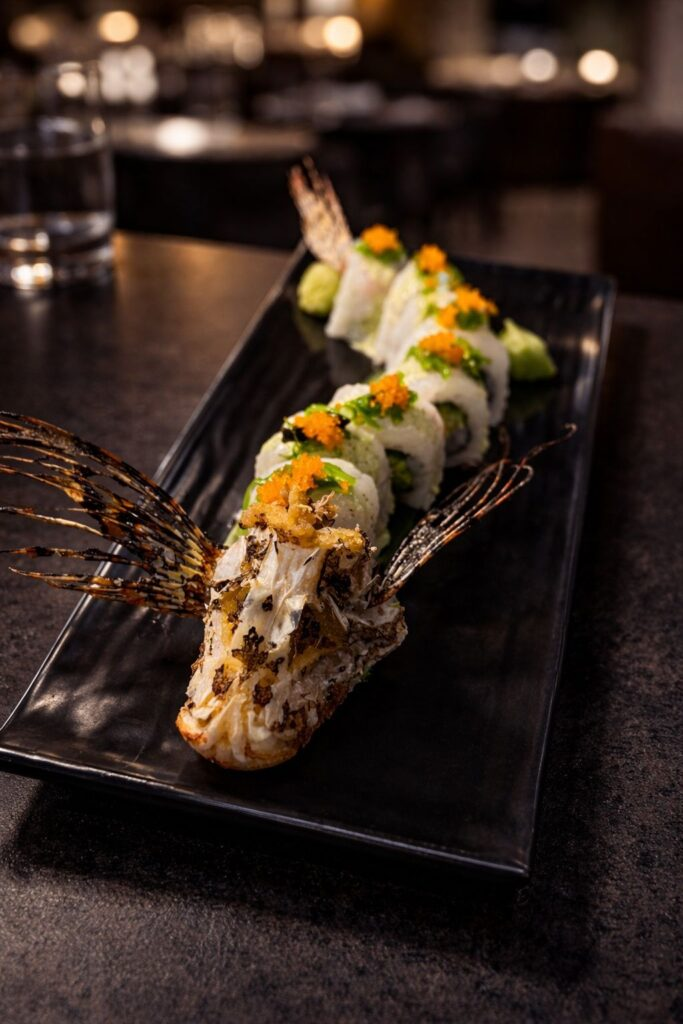

West Palm Beach offers a varied dining scene where seafood has a natural place on menus shaped by Florida’s coastal setting. From grilled fish and shrimp dishes to sushi and seafood platters, diners have plenty of options for different tastes and occasions. Choosing the right restaurant, however, involves more than finding a menu with seafood on it. Ingredient quality, preparation methods, menu variety and the overall dining atmosphere all contribute to a satisfying meal.
For residents and visitors, finding a suitable seafood restaurant in West Palm Beach can make an ordinary lunch, family dinner or evening out more enjoyable. Knowing what to look for helps narrow the choices and makes it easier to select a restaurant that matches the occasion.
Fresh Ingredients Make a Difference
The quality of the seafood is one of the first things to consider when choosing a restaurant. Fish, shrimp, scallops and other seafood ingredients have distinct textures and flavours that can be affected by storage, handling and preparation.
A restaurant that takes ingredient quality seriously should follow appropriate food safety practices and handle seafood carefully from delivery through service. Freshness can influence the texture of cooked fish, the tenderness of shrimp and the overall flavour of a dish.
When reviewing a menu, look for clear descriptions of the seafood being served. Specific fish varieties, preparation methods and accompanying ingredients provide more useful information than vague descriptions alone.
A few practical considerations include:
- Menu clarity: Descriptions should identify the main seafood ingredients and explain how dishes are prepared.
- Seasonal availability: Menu selections may change according to supply and availability.
- Proper handling: Seafood should be stored and prepared according to food safety standards.
- Balanced preparation: Seasonings and sauces should complement the seafood rather than overwhelm its natural flavour.
These details can help diners evaluate their options before placing an order.
Explore the Variety of Seafood Dishes
A varied menu gives diners more opportunities to discover dishes that suit their preferences. Some people prefer simply grilled fish, while others enjoy fried seafood, spicy preparations, sushi or combinations of different ingredients.
When comparing a seafood restaurant in West Palm Beach, consider whether the menu offers enough variety for everyone at the table. A restaurant that includes several preparation styles can be convenient for groups with different tastes.
Common seafood options include:
- Grilled or pan-seared fish served with vegetables or rice.
- Shrimp prepared with garlic, citrus, herbs or spices.
- Fried seafood served with dipping sauces.
- Sushi rolls featuring seafood and complementary ingredients.
- Seafood platters that combine different varieties in one meal.
- Soups and salads featuring seafood as a main ingredient.
The best choice depends on appetite, dietary preferences and the type of dining experience desired. Reviewing the menu before visiting can also help diners identify suitable options for children, groups or special occasions.
Consider the Appetizer Selection
Appetizers set the tone for a meal. Seafood starters can introduce different flavours and textures without requiring a full entrée, making them suitable for sharing or enjoying before a main course.
Popular choices may include shrimp cocktails, calamari, crab cakes, ceviche and small portions of grilled seafood. The availability of these dishes depends on the restaurant’s menu, but a thoughtful starter selection can add variety to the meal.
When comparing a seafood menu, consider whether the starters offer a good balance of flavours. Citrus-based dishes can provide a refreshing contrast to richer preparations, while lightly fried seafood may suit diners who prefer a crisp texture.
Useful factors to consider when ordering appetizers include:
- Portion size and whether the dish is designed for sharing.
- Preparation style, including grilled, chilled or fried options.
- Sauces and garnishes that accompany the seafood.
- The balance between lighter starters and heavier main courses.
- Any stated allergens or dietary restrictions.
A restaurant with a suitable selection of starters can make it easier to build a meal around several smaller dishes.
Look Beyond the Mainstream Seafood Menu
Seafood cuisine extends across many culinary traditions, each bringing its own ingredients, seasonings and preparation techniques. Exploring these styles can make dining more interesting for people who enjoy trying unfamiliar dishes.
For example, Peruvian seafood cuisine is known for preparations that combine seafood with citrus, chilli, herbs and other distinctive ingredients. Ceviche is a well-known example, typically prepared by marinating seafood in an acidic mixture. The exact ingredients and preparation methods vary by recipe.
Japanese cuisine offers another approach through sushi and sashimi, where ingredient selection, knife work and presentation are particularly significant. Other culinary traditions use grilling, stewing, frying and spice blends to create very different seafood experiences.
Exploring a menu with varied influences can help diners discover new flavours without limiting themselves to familiar fish and shrimp dishes.
Evaluate the Dining Atmosphere
The atmosphere matters almost as much as the menu, particularly when choosing a restaurant for a celebration, date or family gathering. Some diners prefer a relaxed setting for a casual lunch, while others want a more polished environment for an evening meal.
Before visiting, consider the following:
- Seating arrangements: Check whether the restaurant can accommodate the size of your group.
- Noise levels: A quieter environment may be preferable for conversations or special occasions.
- Service style: Consider whether you prefer a relaxed meal or a more formal dining experience.
- Location: Parking, accessibility and travel time can influence the convenience of a visit.
- Reservations: Booking ahead may be useful during busy periods or for larger groups.
Recent customer reviews can provide additional context about service, food quality and the general dining experience. Look for recurring observations rather than relying entirely on one particularly positive or negative review.
Check Menu Prices and Portion Sizes
A good dining choice should fit the occasion and budget. Seafood prices can vary according to the species, portion size, preparation method and market availability.
Reviewing the menu in advance helps diners understand the likely cost of a meal. Check whether dishes are priced individually, offered as combinations or served with side dishes included.
For group dining, shared platters may provide variety, while individual entrées can make it easier to accommodate different preferences. Appetizers can also be a useful way to sample several dishes without ordering a large main course for everyone.
It is worth checking the menu for additional charges, dietary substitutions and portion details where available. Clear expectations help avoid surprises when the bill arrives.
Dietary Preferences and Food Safety
Seafood restaurants need to accommodate a range of dietary preferences and food allergies. Common concerns include shellfish allergies, fish allergies, gluten-containing coatings and sauces, and ingredients used in marinades.
People with allergies should communicate their requirements directly to restaurant staff before ordering. Seafood kitchens may handle several types of fish and shellfish, so cross-contact is an important consideration.
Other useful questions include:
- Can the dish be prepared without a particular ingredient?
- Are ingredient and allergen details available?
- Is the seafood cooked to an appropriate temperature?
- Are raw or lightly prepared seafood dishes clearly identified?
- Can the kitchen explain how special dietary requests are handled?
Customers with serious allergies should not rely on menu descriptions alone. Direct communication with the restaurant is essential.
Choose a Restaurant That Suits the Occasion
Different occasions call for different dining experiences. A quick weekday lunch may require convenient service and a straightforward menu, while a family celebration may benefit from varied dishes and seating for a larger group.
Visitors exploring the local dining scene may prefer a restaurant that offers several seafood styles in one place. Residents may place greater importance on menu variety, convenient access and options suitable for repeat visits.
The Catch Seafood & Sushi is one option to explore when researching local seafood dining. Its official website provides a starting point for reviewing the restaurant and its available information before planning a visit.
Make Your Seafood Dining Choice With Confidence
Selecting a seafood restaurant involves balancing ingredient quality, menu variety, preparation styles, service and value. Reading the menu, checking recent reviews and considering the needs of everyone in your group can make the decision easier.
West Palm Beach diners have an opportunity to explore a wide range of seafood dishes, from familiar favourites to preparations influenced by international cuisines. Taking time to compare available options can help make the dining experience more enjoyable, whether the plan is a casual lunch, a family dinner or an evening spent sampling different seafood flavours.